
TMJ and Jaw Pain: Causes, Symptoms and Treatment

Written by NoFrills Dental clinical team
Updated 03/08/2026
Most jaw joint pain settles with simple, reversible measures: soft food, heat, gentle exercises, stress and clenching control, and sometimes a night guard. The evidence favours starting conservatively and avoiding anything permanent, because most temporomandibular disorders improve without surgery or bite alteration.
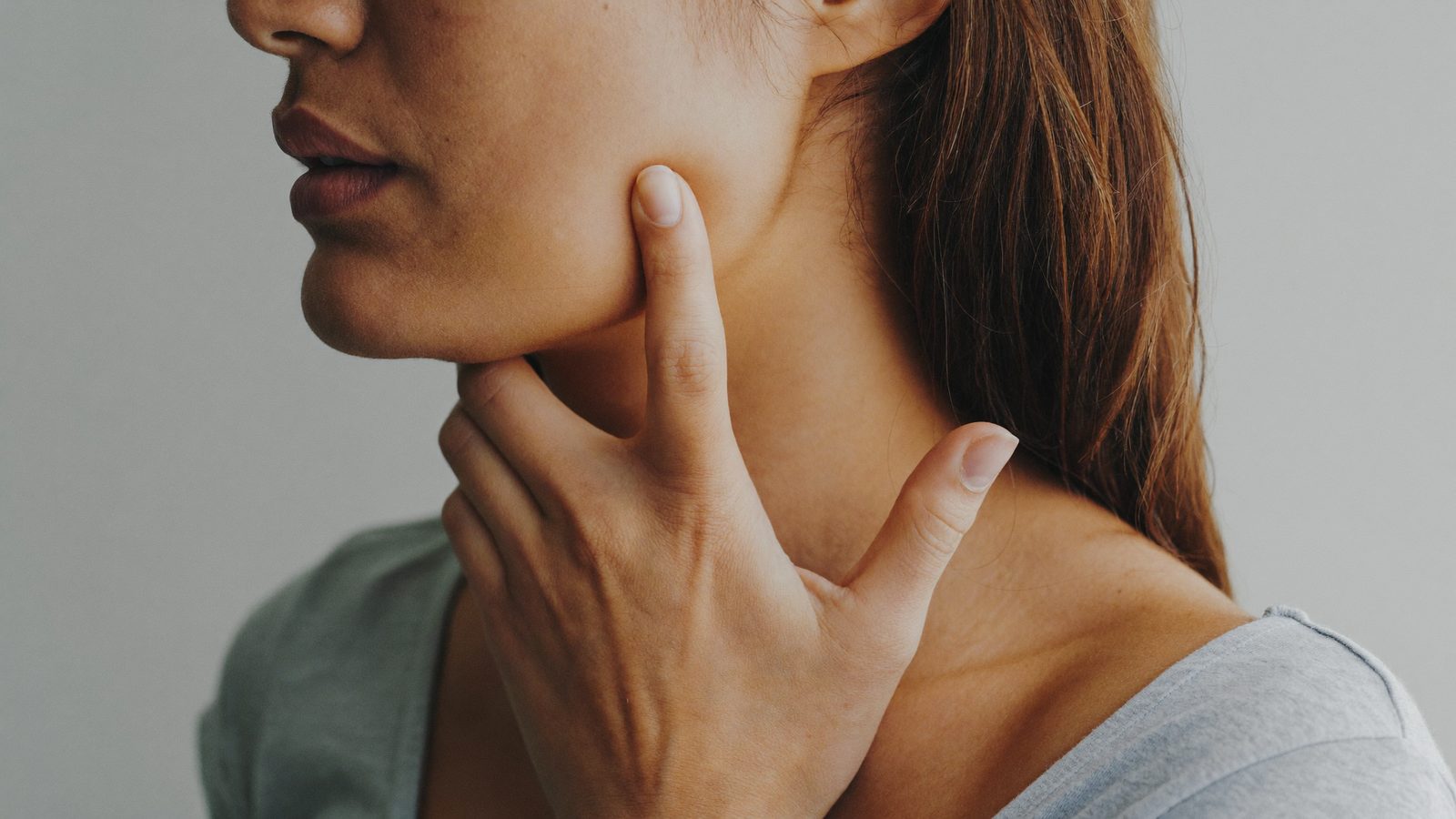
- TMD is a group of conditions, not one disease, and it affects women more often.
- Most cases improve with conservative care that changes nothing permanently.
- Clicking on its own, with no pain and no locking, usually needs no treatment.
What TMJ and TMD mean
The temporomandibular joint, or TMJ, is the hinge in front of each ear that connects your lower jaw to your skull. It is one of the most used joints in the body: it works every time you talk, chew, yawn or swallow, and it both rotates and slides.
TMJ is the joint. TMD, temporomandibular disorder, is the group of problems affecting that joint, the chewing muscles around it, or both. Most people search for “TMJ” when they mean TMD. It is a condition rather than a single disease, which is why two people with the same label can have very different symptoms and very different causes.
Signs and symptoms
- Pain or tenderness in the jaw, in front of the ear, or in the cheek and temple
- Aching around the ear, sometimes mistaken for an ear infection
- Clicking, popping or grating noises when opening or closing
- Difficulty opening wide, or the jaw catching or locking
- Pain when chewing, yawning or biting into something firm
- Headaches, particularly in the temples, and neck or shoulder tightness
- A feeling that the bite has changed or the teeth no longer meet properly
- Worn, flattened or sensitive teeth from clenching or grinding
Symptoms range from mild and occasional to genuinely disabling. Many people have joint noises with no pain at all, and noise alone is not a disease.
What causes it
Often there is no single cause, which is one reason a quick fix rarely exists. The usual contributors are:
| Contributor | How it plays out |
|---|---|
| Muscle overuse | Clenching, grinding, nail biting, chewing gum, long dental appointments |
| Stress and poor sleep | Raises clenching, lowers pain tolerance, tightens the muscles |
| Disc displacement | The cushioning disc in the joint slips, causing clicking or locking |
| Arthritis | Wear or inflammatory arthritis affecting the joint surfaces |
| Injury | A blow to the jaw, or a whiplash type injury |
| Habits and posture | Jaw resting forward, phone held against the shoulder, chewing on one side |
Grinding and clenching, or bruxism, deserves a special mention because it is so common and so often unnoticed. Many people only discover it at a routine check-up when a dentist sees flattened, chipped or sensitive teeth, or when a partner mentions the noise at night. Long term grinding damages teeth as well as muscles, and can crack fillings and crowns.
What to do first, at home
For most people the first two weeks of sensible self care make a real difference.
- Rest the joint. Soft food for a while, cut food into small pieces, and avoid chewing gum, hard nuts, ice, crusty bread and anything that needs a wide bite.
- Apply heat. A warm compress on the muscles for 10 to 15 minutes, several times a day. Use cold instead if the joint is acutely swollen after an injury.
- Keep the jaw loose. Teeth apart, lips together, tongue resting behind the upper front teeth. Notice when you are clenching, particularly at a desk or in traffic.
- Avoid extreme opening. Support your chin when you yawn, and skip wide bites and prolonged mouth opening while symptoms settle.
- Gentle movement. Slow, small opening and closing exercises within a comfortable range, rather than forcing the jaw or testing the click repeatedly.
- Pain relief if needed. Simple analgesics or anti-inflammatories from your pharmacist, used as directed and short term.
If two weeks of self care has not helped, come in and let us examine the joint properly.
Treatment we can provide
An assessment starts with history and examination: how far the jaw opens, whether it deviates to one side, where the tenderness is, what noises the joint makes, how the teeth meet and how worn they are. Imaging is used when the picture suggests joint damage rather than muscle pain.
From there, treatment is usually some combination of:
- A night guard or stabilisation splint. A custom appliance worn at night that protects the teeth from grinding and relaxes the muscles. It is removable and reversible, which is exactly why it is a first line option.
- Physical therapy and exercises, including guided jaw exercises, massage of the chewing muscles and posture work. Randomised trials support manual therapy and exercise combined with education.
- Medication, such as short courses of anti-inflammatories or muscle relaxants where appropriate.
- Habit and stress management, which sounds soft and is often the highest yield part of the plan.
- Repairing the damage, such as replacing worn or cracked fillings and treating teeth that have become sensitive from grinding.
- Referral, where a specialist opinion or joint imaging is warranted.
Treatments to be cautious about
The United States National Institute of Dental and Craniofacial Research titles its patient guidance on this subject “Less is often best”, and that reflects the evidence. Treatments that permanently change the teeth or the joint, such as grinding down the bite, extensive crowns or orthodontics prescribed purely to treat jaw pain, or joint surgery, are not first line and are difficult or impossible to undo if they do not help.
That does not mean nothing works or that surgery is never right. It means the order matters: reversible things first, permanent things only when there is a clear structural reason and usually a specialist opinion. Be wary of anyone who proposes rebuilding your bite as the opening move.
Source: National Institute of Dental and Craniofacial Research, TMD: Less is Often Best.
When to see someone urgently
Book promptly rather than waiting if:
- Your jaw has locked open or you cannot close it
- You cannot open wide enough to eat
- The pain followed a blow to the jaw or a fall
- There is swelling, fever, or pain with difficulty swallowing, which may be an infection rather than TMD
- The pain is severe, one sided and new, particularly with any numbness
A jaw that has locked open needs same day attention. Toothache from deep decay or an abscess can also masquerade as jaw pain, and that needs treating quickly.
Jaw pain, clicking or morning headaches?
We will examine the joint, check your teeth for grinding damage and start with the reversible options. Find us at Suntec City, Marina Square, Marine Parade and Tanjong Katong.
Frequently asked questions
What is TMD, and how is it different from TMJ?
TMJ is the temporomandibular joint itself, the hinge in front of each ear. TMD, temporomandibular disorder, is the group of conditions affecting that joint and the muscles that move the jaw. Most people who say they have TMJ mean they have TMD. It is a group of conditions rather than one disease, which is why symptoms and causes vary so much between people.
Will my TMJ pain go away on its own?
Often, yes. Many episodes settle within weeks with rest, soft food, heat, gentle exercises and attention to clenching. If symptoms are still there after two weeks of self care, or if the jaw locks or the pain is severe, it should be assessed rather than endured.
Is a clicking jaw a problem?
Clicking without pain and without locking is common and usually needs no treatment. It becomes worth investigating when it comes with pain, when the jaw catches or locks, when opening is limited, or when the noise changes suddenly. Repeatedly testing the click tends to make things worse.
Does a night guard cure TMJ?
A night guard does not cure the underlying disorder, but it protects the teeth from grinding damage and often reduces muscle pain and morning headaches. It is reversible, which is why it is a sensible early step. It works best alongside habit and stress management rather than on its own.
Can stress cause jaw pain?
Indirectly, yes. Stress and poor sleep increase clenching and grinding, tighten the chewing muscles and lower pain tolerance. That is why many people notice jaw pain during difficult periods at work, and why managing the habit is often more effective than any appliance alone.
Do I need surgery for TMJ?
Rarely. Most temporomandibular disorders are managed successfully with conservative, reversible treatment. Surgery and permanent bite alterations are reserved for specific structural problems that have not responded to conservative care, and generally after a specialist opinion, because they cannot be undone.
Related reading
More in this series: bad breath, daily oral hygiene, flossing and interdental cleaning, cavities and tooth decay and mouth spots and sores.
Sources: National Institute of Dental and Craniofacial Research on TMD, systematic review of conservative and minimally invasive interventions for temporomandibular disorders (2025).