
Home/ Wisdom Tooth Extraction and Surgery
Wisdom Tooth Extraction and Surgery in Singapore
Surgical wisdom tooth removal at NoFrills Dental starts from $1,250 per tooth and is claimable from MediSave. A straightforward non-surgical extraction costs $150 to $350. Most patients are given up to 5 days of medical leave, depending on how complex the surgery is.
Medically reviewed by the NoFrills Dental Medical Team. Last updated 4 August 2026.
Or WhatsApp us on +65 9007 1085 for a same-week slot.

Per tooth, claimable from MediSave.
Per tooth. Not MediSave claimable.
Issued according to the complexity of your surgery.
How many days of MC will I get for wisdom tooth surgery?
NoFrills Dental issues up to 5 days of medical leave after wisdom tooth surgery. The exact number depends on how complex the procedure was, not on a fixed rule. A simple, fully erupted tooth removed without an incision may need only a day or two. A deeply impacted tooth that required a gum incision, bone removal and sectioning of the tooth sits at the upper end.
What usually determines the length of your MC
Based on how our surgeons assess each case. Your dentist decides on the day.
This chart reflects clinical judgement, not measured recovery data. If your job is physically demanding, tell your dentist before the procedure.
If you need more time than you were given, contact the clinic. We would rather review you than have you push through a complication. Book through our contact page or call your clinic directly.
Wisdom tooth pain right now: what helps before your appointment
If a wisdom tooth is throbbing tonight, these measures buy you time. They do not treat the cause, and none of them replace being seen.
- Take an over the counter painkiller you have used safely before, following the packet dosage.
- Rinse gently with warm salt water, roughly half a teaspoon in a cup of warm water, several times a day. This helps clear food trapped under a gum flap.
- Hold a cold pack against the cheek for 15 minutes at a time if the area is swollen.
- Keep brushing the area gently. Avoiding it entirely lets the infection worsen.
- Sleep with your head slightly raised, which reduces the throbbing many patients notice at night.
Get seen the same day if you have facial swelling, difficulty opening your mouth or swallowing, fever, or pain that painkillers no longer control. Spreading infection from a lower wisdom tooth is a genuine emergency, not something to sit out over a weekend. Call your nearest clinic from our clinic list or message us through our contact page.

Do you actually need your wisdom teeth removed?
Not every wisdom tooth has to come out. A tooth that has erupted straight, bites properly against the opposing tooth and can be cleaned does not need removing simply because it is a wisdom tooth. Removal is recommended when the tooth is causing problems or is very likely to.
Common reasons your dentist will recommend removal:
- Repeated infection of the gum flap over a partially erupted tooth, which causes pain, swelling and a bad taste.
- Decay in the wisdom tooth or in the second molar next to it, where food traps between the two. This often needs a filling or, if it reaches the nerve, root canal treatment.
- Gum disease around the back of the mouth that will not settle with scaling and polishing or gum treatment.
- A cyst forming around an unerupted tooth, seen on an X-ray.
- Crowding or pressure that interferes with planned braces or Invisalign treatment.
The only way to know which category you fall into is an examination and an X-ray. That is part of a routine dental check-up, and it is where we start with every patient.
Surgical or non-surgical: what is the difference?
This distinction decides both your cost and whether you can use MediSave, so it is worth understanding before you book.
| Non-surgical extraction | Surgical removal |
|---|---|
| Tooth is fully erupted and can be lifted out with instruments | Tooth is impacted, buried or angled and needs access |
| No gum incision needed | Gum is opened, and bone may be removed |
| Tooth comes out whole | Tooth is often divided into sections |
| $150 to $350 per tooth | From $1,250 per tooth |
| Not claimable from MediSave | Claimable from MediSave |
Prices are NoFrills Dental fees as at August 2026 and exclude any X-rays or medication. Your dentist confirms which category applies after reviewing your X-ray.
Only surgical removal qualifies for MediSave. That is not a clinic policy, it is how the Ministry of Health classifies the procedure: the surgery has to appear in the Table of Surgical Procedures, which requires a gum incision, bone removal or sectioning of the tooth.
Cost of wisdom tooth surgery in Singapore
Surgical removal at NoFrills Dental starts from $1,250 per tooth. The figure moves with the difficulty of the case, chiefly how deeply the tooth is buried and how close it sits to the nerve.
| Surgical removal, one wisdom tooth | From $1,250 |
| Claimed from MediSave | Up to the applicable limit |
| Typical cash outlay for an eligible patient | $0 |
Illustrative only. Your actual claim depends on your available MediSave balance and which surgical table your case falls under, which we confirm after your X-ray.
MediSave withdrawal limits for surgical wisdom tooth removal were revised with effect from 1 April 2025 and now run from roughly $720 to $2,740 per session, depending on how many teeth are removed and whether the tooth needed dividing. In practice, that means most eligible patients having straightforward surgical removal at NoFrills Dental pay nothing in cash.
Three things worth knowing about MediSave:
- The claim is per tooth, not per visit. Removing two surgical wisdom teeth in one session means two separate claims.
- You can use an immediate family member's MediSave: a spouse, parent, grandparent, sibling or child.
- MediSave covers the surgery, not a simple extraction, and not the check-up that preceded it. Read our full guide to using MediSave for dental treatment.
If you also hold a CHAS, Merdeka Generation or Pioneer Generation card, those subsidies apply to other treatments rather than to this surgery. Many patients are also covered under a dental insurance plan, and families should check the Baby Bonus scheme for children's dental care.
Can I be asleep for it?
Most wisdom tooth surgery in Singapore is done under local anaesthetic in the dental chair. You are awake, the area is completely numb, and you go home the same day. For anxious patients, or where several impacted teeth are being removed together, sedation can be arranged so you are drowsy and remember little of the procedure.
Tell us at your assessment if dental anxiety is the reason you have been putting this off. It is one of the most common reasons wisdom teeth get left until they cause an emergency, and it is worth planning around rather than pushing through.
What changes the final fee
The starting price covers a straightforward surgical removal. These factors move it:
| Factor | Effect on your fee |
|---|---|
| How deeply the tooth is buried | Deeper and more angled teeth take longer and cost more |
| Proximity to the nerve | May require extra imaging and a more cautious technique |
| Number of teeth removed | Each tooth is charged and claimed separately |
| Imaging | An OPG X-ray is taken if you do not have a recent one |
| Sedation | Charged in addition to the surgical fee |
We quote your actual fee in writing after the assessment, before anything is booked.
What happens during the surgery
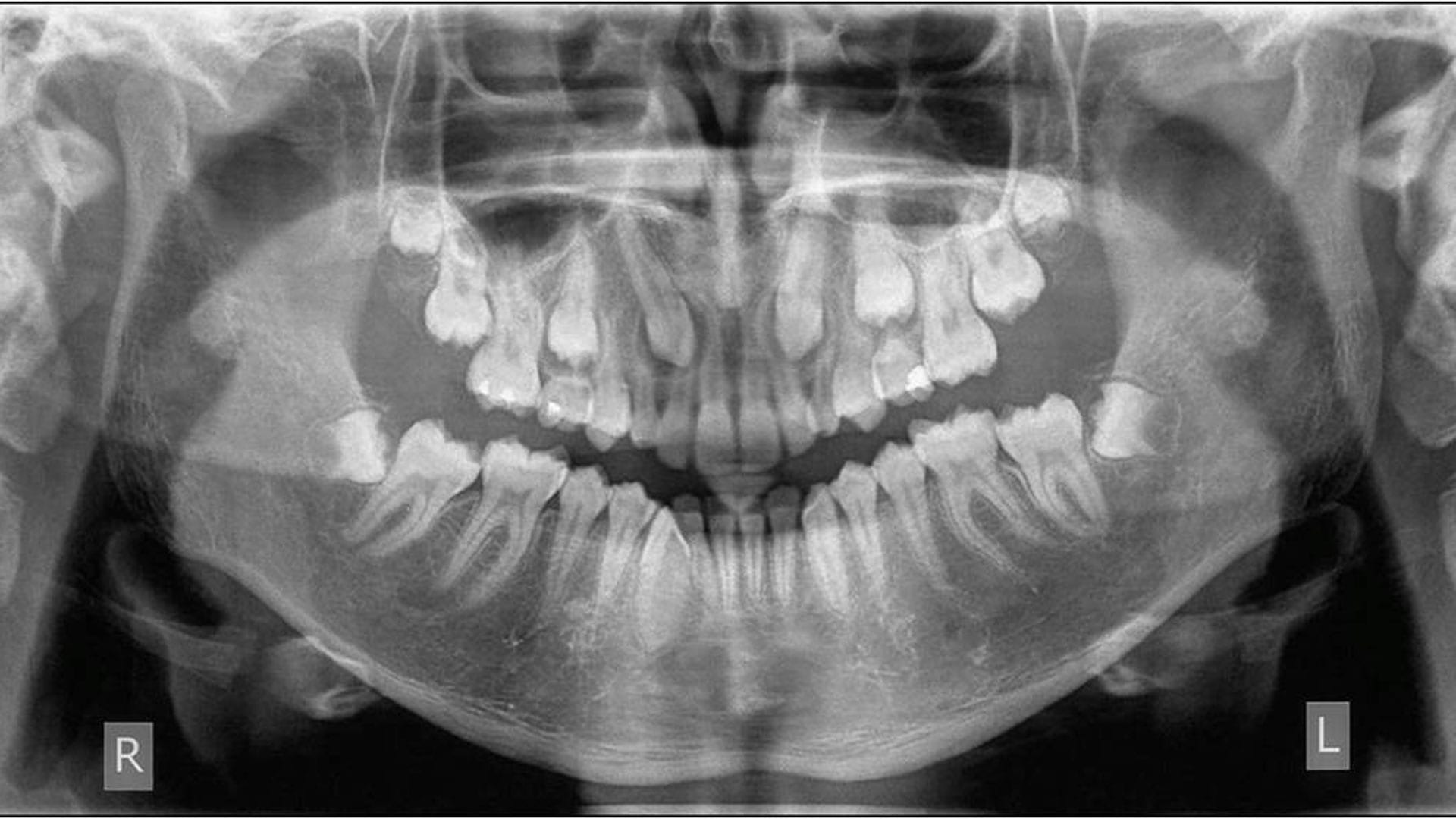
- Assessment and X-ray. We take an OPG X-ray to see the root shape and how close the tooth sits to the nerve. This determines the surgical classification and therefore your MediSave claim.
- Local anaesthetic. The area is fully numbed. You stay awake and should feel pressure but not pain. Tell your surgeon immediately if you feel anything sharp.
- Access. The gum is lifted, and a small amount of bone may be removed to expose the tooth.
- Sectioning and removal. The tooth is usually divided so it can come out through a smaller opening, which protects the surrounding bone.
- Cleaning and stitches. The socket is cleaned and stitched. Most stitches dissolve; if yours do not, we remove them at your review.
- Review. You come back so we can check the socket is healing and there is no infection.
A single tooth typically takes 30 to 45 minutes in the chair. You will be given gauze, painkillers and written aftercare instructions before you leave.
Recovery, day by day
What most patients experience
Typical pattern after a surgical removal. Individual recovery varies.
Call the clinic if pain worsens after day three, or if you develop fever or a foul taste. That can signal a dry socket or infection, both of which we treat quickly.
Risks and complications, stated plainly
Wisdom tooth surgery is routine, but it is still surgery and it carries risk. You should hear this before you consent, not afterwards.
| Complication | What you need to know |
|---|---|
| Dry socket | The most common problem. The clot is lost and the bone is exposed, giving a deep ache from around day three plus a bad taste. Treatable in one visit: we clean the socket and dress it. |
| Nerve involvement | Lower wisdom teeth sit near the nerve supplying the lip, chin and tongue. Temporary numbness or tingling can follow surgery. Published estimates put permanent altered sensation at well under 1 percent of cases. |
| Infection | Signals include increasing pain after day three, fever or discharge. Usually settles with antibiotics and cleaning. |
| Prolonged bleeding | Some oozing on day one is expected. Persistent bleeding needs review, especially on blood thinning medication. |
| Limited mouth opening | Jaw stiffness for several days after a difficult lower extraction is common and settles by itself. |
| Sinus communication | Only for upper wisdom teeth, whose roots can sit close to the sinus. Uncommon, and managed at the time if it happens. |
Your X-ray is what tells us which of these apply to you. If your roots sit against the nerve, we will say so, explain the options and sometimes recommend leaving a tooth alone rather than removing it. Not operating is a legitimate decision.
This page is general information and is not a substitute for an examination. Your dentist will discuss the risks specific to your case before you consent.
What to eat after wisdom tooth surgery
Eat once the numbness wears off. Being underfed slows healing and makes painkillers harder on the stomach.
Getting back to normal food
A typical progression. Move at your own pace.
Avoid throughout the first week: straws, very hot drinks, alcohol, nuts, chips, seeds and anything small enough to lodge in the socket.
Aftercare that actually matters
- Bite firmly on the gauze for the first hour. Replace it if bleeding continues.
- Do not rinse, spit forcefully or drink through a straw for 24 hours. The suction dislodges the clot and causes dry socket, which is the single most common avoidable complication.
- Take the painkillers as prescribed, before the anaesthetic wears off rather than after.
- Use cold packs on the cheek for the first day, then warm compresses from day two.
- Eat soft, cool food. Return to normal brushing everywhere else in the mouth, and keep up with your usual oral health routine.
- Do not smoke. Smoking is strongly associated with dry socket and slower healing, as we cover in our guide to what smoking does to your teeth and gums.
Bring any recent X-rays if you have them.
Why patients choose NoFrills Dental
Our surgeons handle impacted and deeply buried wisdom teeth routinely, including cases referred to us by other clinics. Fees are quoted before we begin, we handle the MediSave paperwork for you, and we are a MediSave accredited group.
You can be seen at any of our clinics, including our denture and implant centre at Marina Square, Tanjong Katong and Sri Hartamas in Kuala Lumpur. Surgery is carried out by clinicians including Dr John Kiew and Dr Marcel Fung, and our approach is overseen by our clinical advisory board.
If a tooth is removed and you later need to restore the space, we also provide dental implants, bridges, crowns and dentures, though this is rarely necessary for wisdom teeth.
Frequently asked questions
How many days of MC will I be issued after wisdom tooth surgery?
NoFrills Dental issues up to 5 days of medical leave, depending on the complexity of the surgery. A deeply impacted tooth requiring bone removal usually warrants the full period, while a simple non-surgical extraction may need only a day. Your dentist decides based on your case, so tell them if your work is physically demanding.
What is wisdom tooth surgery?
Wisdom tooth surgery is the removal of a third molar that cannot simply be lifted out. The gum is opened, a small amount of bone may be removed, and the tooth is often divided into sections before removal. It is done under local anaesthetic and usually takes 30 to 45 minutes per tooth.
How much does wisdom tooth surgery cost in Singapore?
At NoFrills Dental, surgical removal starts from $1,250 per tooth and is claimable from MediSave. A non-surgical extraction of a fully erupted wisdom tooth costs $150 to $350 and is not MediSave claimable. Your final fee depends on how deeply the tooth is buried, which we confirm after an X-ray.
Can I use MediSave for wisdom tooth removal?
Yes, for surgical removal. MediSave withdrawal limits were revised from 1 April 2025 and now range from roughly $720 to $2,740 per session depending on the number of teeth and whether the tooth needed dividing, so most eligible patients pay nothing in cash. Simple non-surgical extractions do not qualify. You may also use an immediate family member's MediSave account.
Is wisdom tooth surgery painful?
The procedure itself should not hurt, because the area is fully numbed with local anaesthetic. You will feel pressure and movement. Discomfort comes afterwards as the anaesthetic wears off, and it is managed with the painkillers we prescribe. Swelling usually peaks on day two or three, then settles.
Do I have to remove all four wisdom teeth?
No. Wisdom teeth that have erupted straight, bite properly and can be cleaned do not need removing. We remove teeth that are causing problems or are very likely to, based on your examination and X-ray. Some patients have one removed, some have all four, and some need none.
What is dry socket and how do I avoid it?
Dry socket happens when the blood clot over the healing socket is lost, exposing bone. It gives a deep ache from around day three, often with a bad taste. Avoid it by not rinsing, spitting forcefully or using a straw for 24 hours, and by not smoking. It is treatable in a single visit, so call us rather than waiting it out.
How long will my face be swollen?
Swelling usually peaks on day two or three, then settles over the following few days. Cold packs on day one and warm compresses from day two help. Swelling that is still increasing after day three, especially with fever, should be reviewed.
When can I exercise or fly after wisdom tooth surgery?
Avoid strenuous exercise for about a week, since raised blood pressure can restart bleeding. For flying, most patients are comfortable after a few days, but do not schedule a long flight within 48 hours of surgery, and never fly while an infection is being treated. Tell your dentist if you have travel booked.
Can I smoke or vape after the surgery?
No. Smoking and vaping are among the strongest risk factors for dry socket and slower healing, because of both the suction and the chemicals. Stop for at least 72 hours, and longer if you can manage it.
Do my stitches need to be removed?
Most stitches we place dissolve on their own within one to two weeks. If yours are the non-dissolving type, we remove them at your review appointment, which takes a couple of minutes and does not need anaesthetic.
Should I remove wisdom teeth before they cause problems?
It depends on the tooth, not on your age alone. Recovery is generally quicker in younger patients because the roots are less developed and the bone is more forgiving, so a tooth that is clearly going to cause trouble is often better dealt with earlier. A healthy, functional wisdom tooth does not need removing at any age.
Sources: Ministry of Health Singapore for the Table of Surgical Procedures and MediSave withdrawal limits revised 1 April 2025.
Related reading
Tooth extraction
What to expect when a tooth other than a wisdom tooth has to come out.
Using MediSave for dental treatment
Which dental procedures qualify, and how the claim actually works.
CHAS dental subsidies in 2026
What your card covers and what you will actually pay.
Ready to get that tooth looked at?
Book an assessment at any NoFrills Dental clinic in Singapore or Kuala Lumpur. We will X-ray, explain your options and quote the fee before anything begins.
Schedule an appointment
Leave your details and we will get back to you within one working day. If it is urgent, please call the clinic directly.