
Comprehensive Braces Treatment for a Healthier Smile
Here’s everything you need to know about braces in Singapore.


Braces - What is it?
Benefits of Braces Treatment | Type of Braces Available | Step-by-step Treatment Process | Cost of Braces in Singapore
Braces are a form of orthodontic treatment that is commonly used in Singapore to correct improper bites and crooked teeth, which may have resulted from improper tooth alignment, lopsided jaw relationships, or both conditions simultaneously. When done by an experienced practitioner, this treatment will adjust the position of existing teeth and may even be able to control/modify a patient’s facial structure and growth. In case you have any concerns and worries about getting braces in Singapore, please feel free to give us a call.
Patients who typically opt for this treatment are looking for the aesthetic outcomes associated with the treatment. However, apart from the aesthetic aspects of the final result from braces, other benefits potentially gained from braces also include the prevention of tooth damage, excessive tooth wear, tooth decay, and even gum disease, resulting from misaligned teeth.
Braces Singapore effectively corrects complex cases of malocclusion such as open bites, crossbites, overbite, underbite, crowding, severe deep bites, and even close gaps between teeth.
Benefits of Braces Treatment

Better & Improved Smile
Orthodontic treatment helps to correct misaligned, crooked, or malpositioned teeth. The result is a brand new smile that's aesthetically pleasing & perfectly straight.
Patients who typically opt for braces treatment are mainly looking for the final aesthetic outcome resulting from this treatment.

Improved Speech & Pronunciation
Misaligned teeth can negatively impact the way a person speaks as teeth play a crucial role in the distinct and proper pronunciation of words.
Braces help to adjust the position of teeth, allowing for clearer and more concise speech. Additionally, the realigning of teeth and jaw allows more space for the tongue to move, which reduces slurring when speaking.
Prevents Bone Erosion
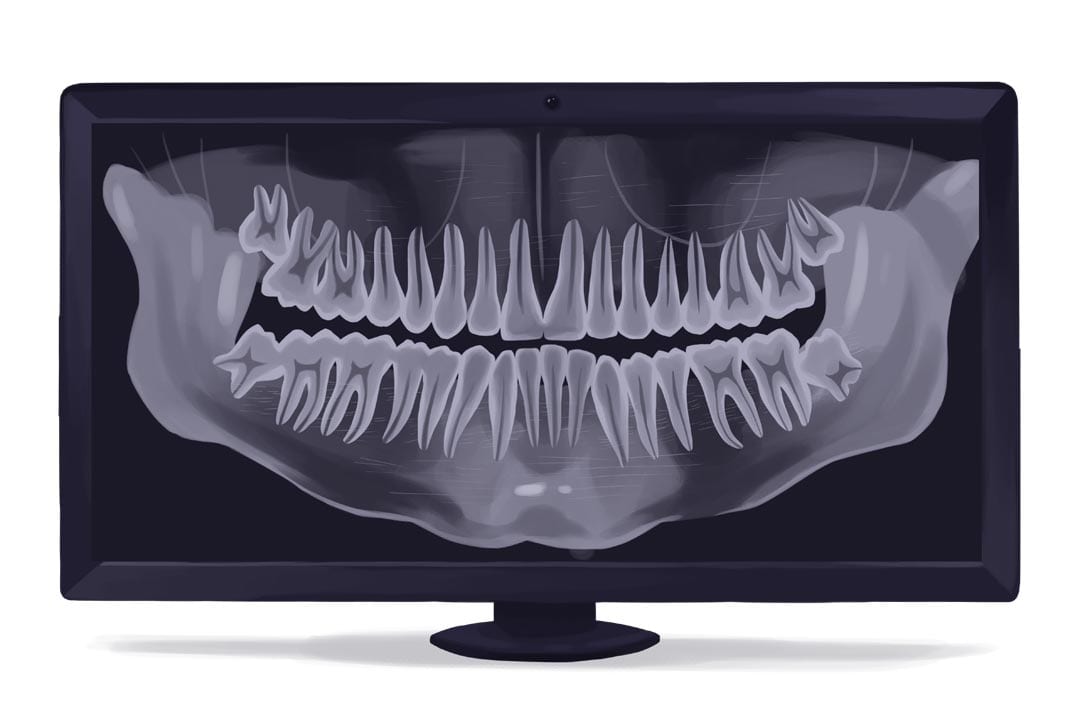
Misaligned teeth have been known to indirectly cause bone loss in the jaw, as a result of poor oral health, due to the inability to thoroughly clean teeth.
This results in the build-up of bacteria in the mouth around misaligned teeth. If left untreated will cause gum disease. Severe gum disease can cause bone loss over time.

Improved Digestion
Chewing is the first stage of digestion. Patients with misaligned teeth generally experience some level of difficulty when it comes to chewing food into smaller pieces.
This results in a longer digestion process in the stomach can result in poor digestion.
Braces help patients to align teeth and jaw, which will result in an improved bite. This will allow patients to chew better and improve the digestion of food.
Improved Oral Health
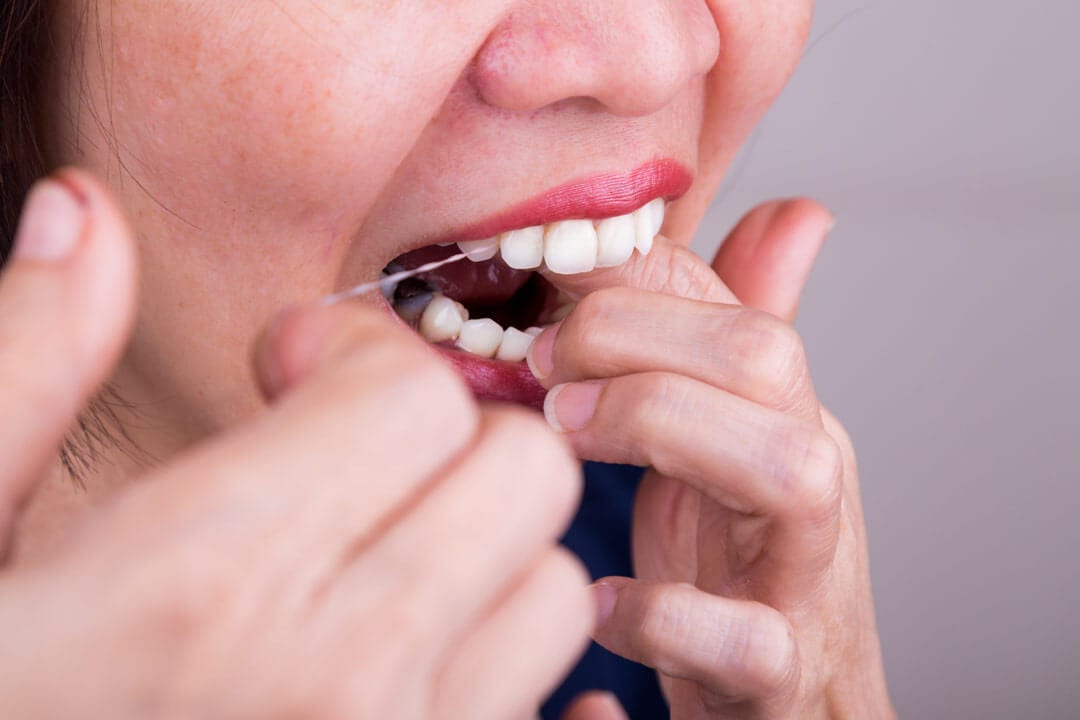
Crooked or misaligned teeth can overlap and create tight spaces between teeth, making it difficult to clean, brush, and floss.
Orthodontic treatments such as Invisalign or braces help to straighten teeth, making it easier for patients to maintain and clean their teeth.
This results in an overall improvement in oral health.

Confidence Boost
Patients tend to smile more after getting their teeth straightened as they are no longer self-conscious about their crooked or misaligned teeth.
With a set of perfectly aligned teeth, patients can show-off their brand new beautiful smile, talking and smiling with ease.
Moreover, by shifting teeth into an ideal position, braces patients generally experience positive changes to their jaw and lips, resulting in a more proportionate face.
Looking to learn more about Braces in Singapore?
Download a copy of the Braces Guidebook 2021.
Types of Braces in Singapore
NoFrills Dental offers a wide selection of dental braces - Depending on your needs & requirements, our dentists will recommend the best type to meet your needs and effectively treat your condition.

Conventional Metal Braces
Metal braces are the most common type used in Singapore, mainly due to the pocket-friendly costs involved with this form of braces paired with relatively short treatment duration. These braces are made out of stainless steel.
Modern metal braces brackets (the part of the braces that is 'glued' to your teeth' are made to be concise as well as easy to apply and remove. A perceived side effect of this form of braces would be the fact that they are highly noticeable. Some patients consider this 'look' like fashion, changing the colour of the brackets & ligatures/elastic bands every so often.
Ceramic Braces
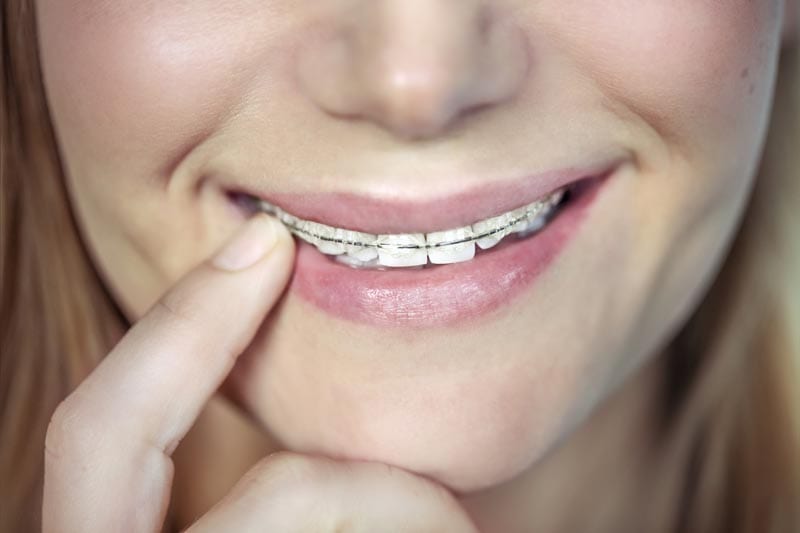
For patients favour discreteness when it comes to their orthodontic treatment. Ceramic braces are a popular alternative to conventional metal braces as they're a lot more subtle in appearance as compared to metal ones.
On top of this, ceramic brackets don't stain or discolour due to the specialised ceramic material used in their fabrication, so patients need not worry about staining their braces after eating or drinking dark-coloured foods.
The cost of ceramic is slightly more expensive than metal, mainly due to the specialised ceramic material used in the creation of these braces as compared to stainless steel in traditional metal braces.
Self-ligating Braces
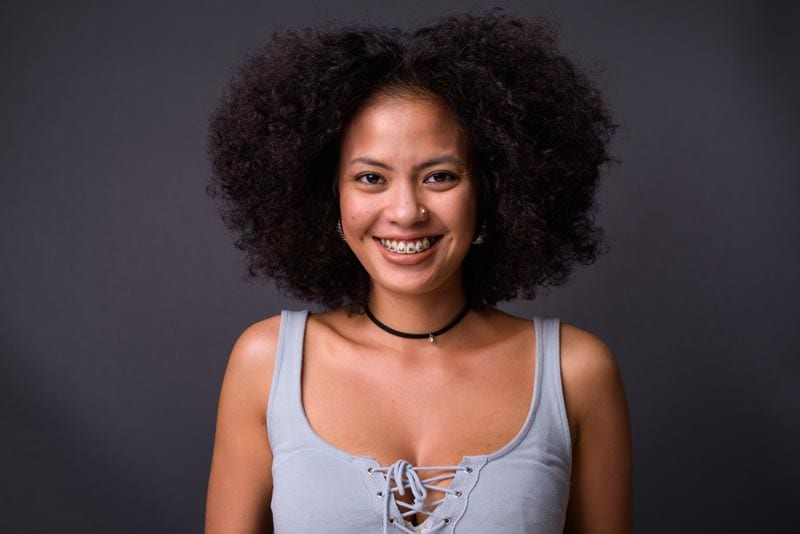
Conventional metal & ceramic dental braces utilise ligatures, also known as “elastic bands,” to secure the orthodontic archwire into each bracket. These ligatures do get stained, resulting in discolouration or an unaesthetic look, to mitigate this issue, patients will have to visit their dentist frequently to get these ligatures changed. Self-ligating braces are basically the newer generation of braces that remove the need for conventional elastic band ligatures, providing patients with the added benefit of reduced visits to the dentist, increased level of comfort, and shortened treatment duration during each visit.
Damon and Clarity SL are the popular kind of self-ligating braces systems used by dentists in Singapore.
Lingual Braces
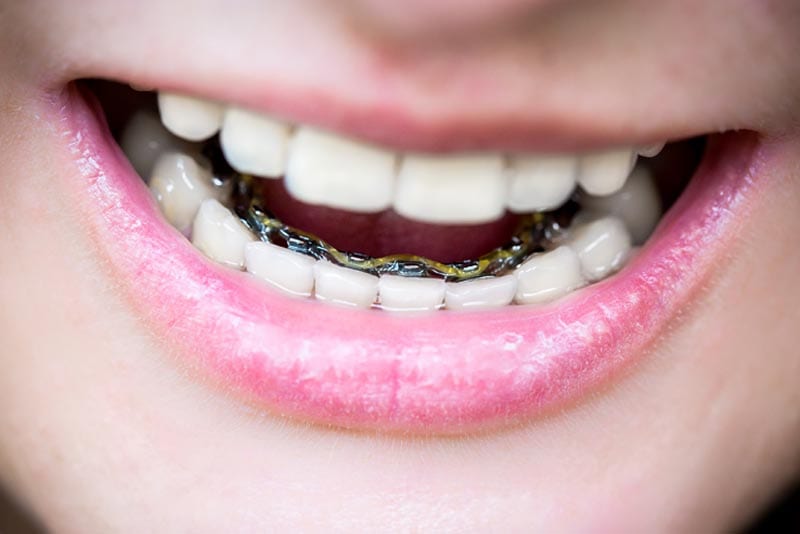
Lingual braces are placed along the inner surface of teeth instead of the front. This form of orthodontic treatment is practically invisible and is often compared with Invisalign treatment due to the 'invisible' look that it provides patients.
However, not everyone is a suitable candidate for lingual braces. Since the brackets are placed along the inside of teeth as opposed to the front like regular braces. This can cause considerably more discomfort, as such, some patients may suffer from tongue pain or ulcers, due to the location of the orthodontic brackets.
Lingual braces may also affect speech, causing some patients to speak with a lisp, which typically takes a little bit longer to get used to than other braces types.
Lingual braces are 100% custom made for each patient, making them more expensive than other orthodontic treatment options.
Invisalign Clear Aligners
The Invisalign system is NOT a type of braces, but patients commonly compare Invisalign to braces as they are both forms of orthodontic treatment used to treat various forms of malocclusion in.
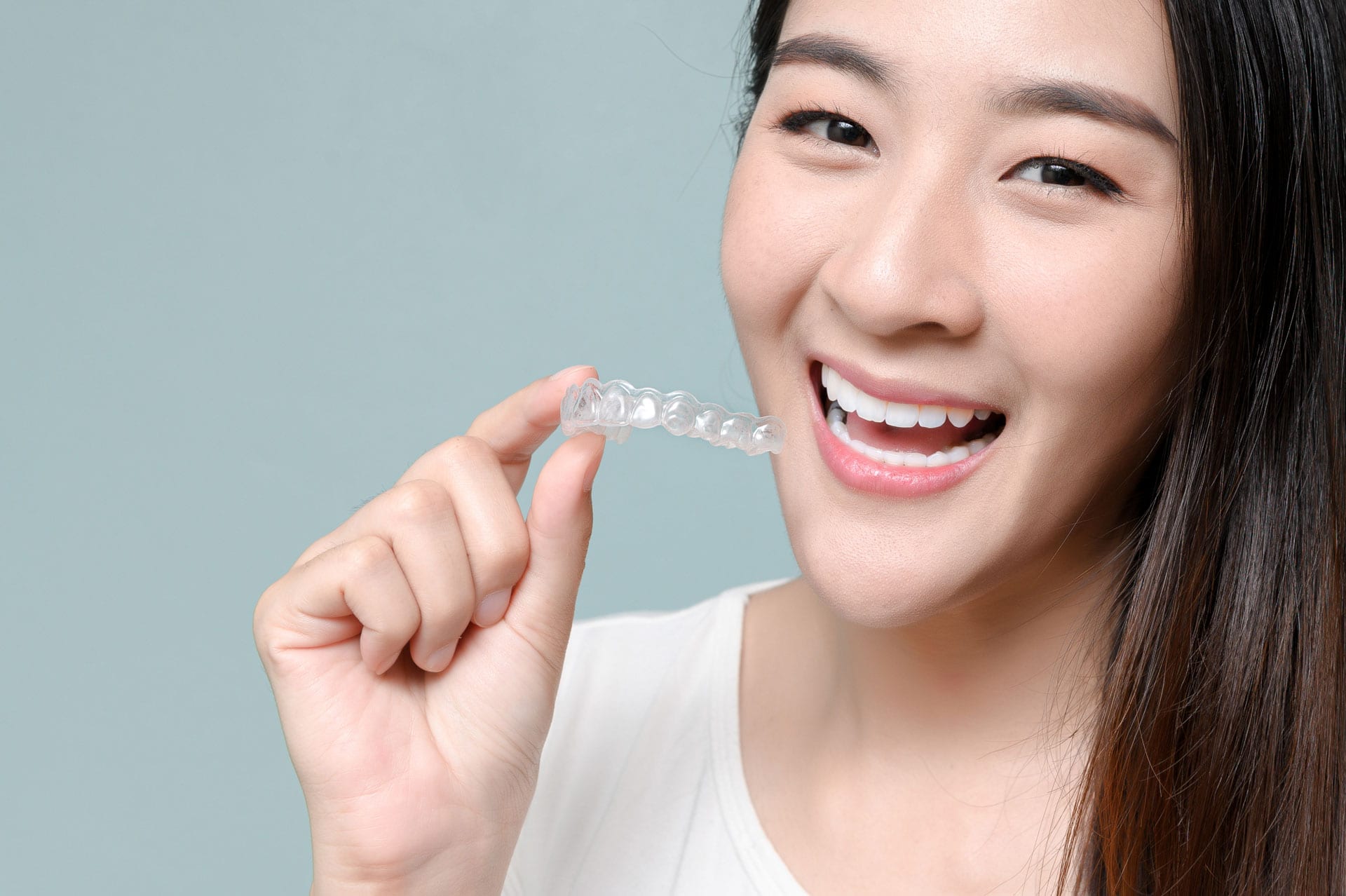
Invisalign is the 'invisible' and clear alternative to braces when it comes to straightening teeth, which utilises a series of 'invisible' clear plastic aligner trays, unlike braces which utilise wires and brackets. Invisalign clear aligners are fully customised to each patient based on their needs, requirements, and case complexity.
If you'd like to understand more about Invisalign vs Braces in Singapore. We have an in-depth article that discusses the differences between braces and Invisalign treatment.
Metal Braces
Metal braces are the most common type used, mainly due to the pocket-friendly costs involved with this form of braces paired with relatively short treatment duration. These braces are made out of stainless steel.
Modern metal braces brackets (the part of the braces that is 'glued' to your teeth' are made to be concise as well as easy to apply and remove. A perceived side effect of this form of braces would be the fact that they are highly noticeable. Some patients consider this 'look' like fashion, changing the colour of the brackets & ligatures/elastic bands every so often.

Ceramic Braces
For patients favour discreteness when it comes to their orthodontic treatment. Ceramic braces are a popular alternative to conventional metal braces as they're a lot more subtle in appearance as compared to metal ones.
On top of this, ceramic brackets don't stain or discolour due to the specialised ceramic material used in their fabrication, so patients need not worry about staining their braces after eating or drinking dark-coloured foods.
The cost of ceramic is slightly more expensive than metal, mainly due to the specialised ceramic material used in the creation of these braces as compared to stainless steel in traditional metal braces.
Self Ligating Braces
Conventional metal & ceramic dental braces utilise ligatures, also known as “elastic bands,” to secure the orthodontic archwire into each bracket. These ligatures do get stained, resulting in discolouration or an unaesthetic look, to mitigate this issue, patients will have to visit their dentist frequently to get these ligatures changed.
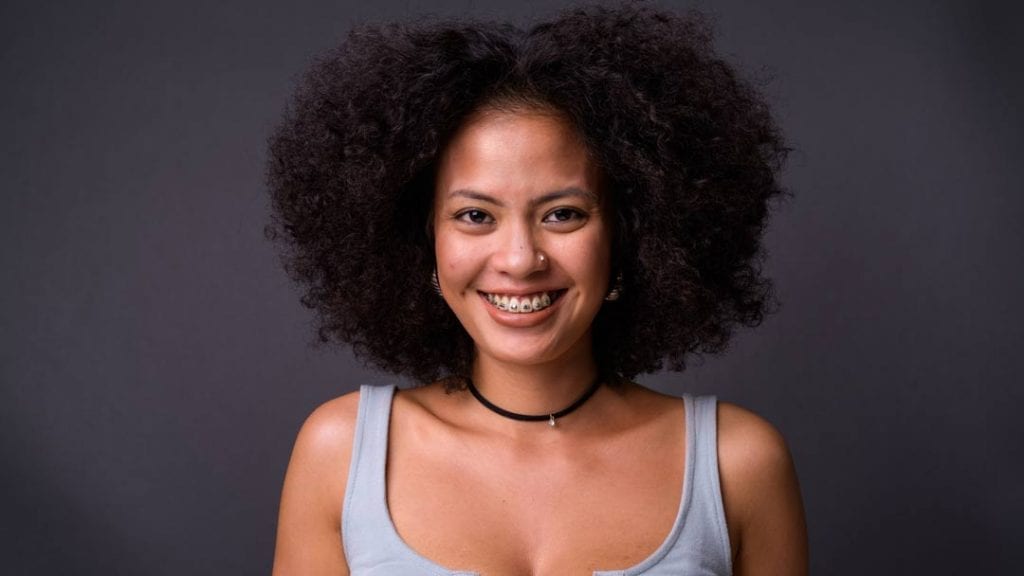
Self-ligating braces are basically the newer generation of braces that remove the need for conventional elastic band ligatures, providing patients with the added benefit of reduced visits to the dentist, increased level of comfort, and shortened treatment duration during each visit.
Damon and Clarity SL are the popular kind of self-ligating braces systems used by dentists in Singapore.
Lingual Braces
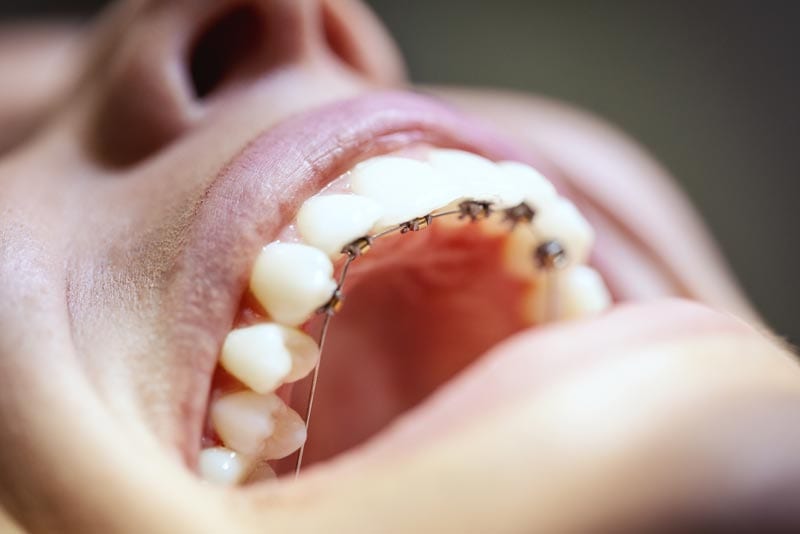
Lingual braces are placed along the inner surface of teeth instead of the front. This form of orthodontic treatment is practically invisible and is often compared with Invisalign treatment due to the 'invisible' look that it provides patients.
However, not everyone is a suitable candidate for lingual braces. Since the brackets are placed along the inside of teeth as opposed to the front like regular braces. This can cause considerably more discomfort, as such, some patients may suffer from tongue pain or ulcers, due to the location of the orthodontic brackets.
Lingual braces may also affect speech, causing some patients to speak with a lisp, which typically takes a little bit longer to get used to than other braces types.
Lingual braces are 100% custom made for each patient, making them more expensive than other orthodontic treatment options.
Invisalign Treatment
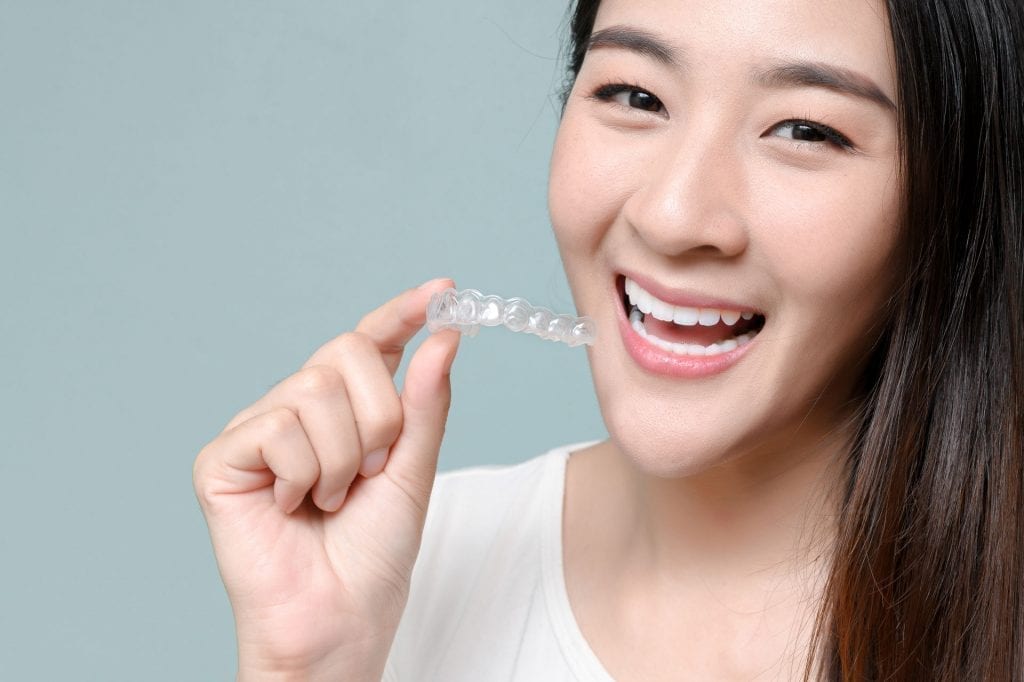
The Invisalign system is NOT a type of braces, but patients commonly compare Invisalign to braces as they are both forms of orthodontic treatment used to treat various forms of malocclusion.
Invisalign is the 'invisible' and clear alternative to braces when it comes to straightening teeth, which utilises a series of 'invisible' clear plastic aligner trays, unlike braces which utilise wires and brackets. Invisalign clear aligners are fully customised to each patient based on their needs, requirements, and case complexity.
If you'd like to understand more about Invisalign vs Braces in Singapore. We have an in-depth article that discusses the differences between braces and Invisalign treatment.
Braces Process:
The entire duration of treatment typically ranges between 18 - 24 months, depending on the complexity of the case.
Here's a breakdown of the treatment process from start to finish.

1. First Appointment
During your initial appointment, our dentist will conduct a thorough examination of your teeth and x-rays in order to determine if you are suitable for orthodontic treatment.
During this visit, your dentist will recommend the braces treatment that will best suit your needs and requirements.
The dentist will also take an impression of your teeth to start the treatment planning process.
2. Treatment Planning
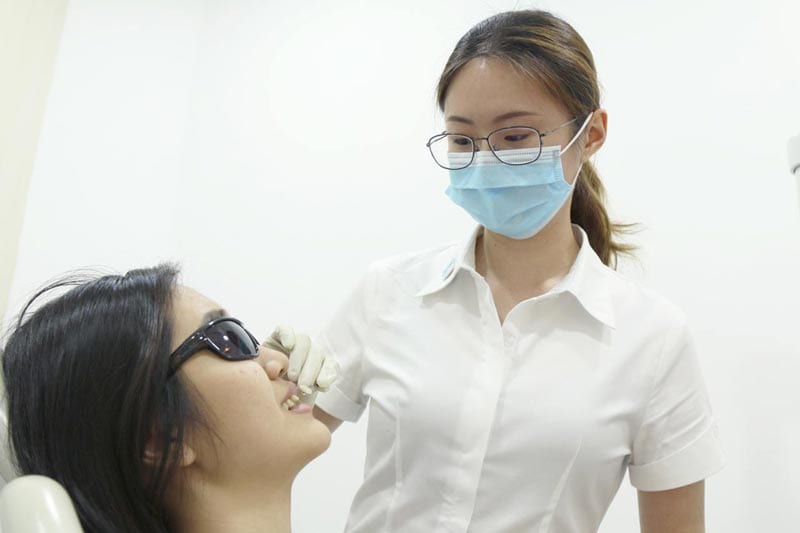
Treatment planning will be done after your initial consultation. This process usually takes about a week.
This treatment plan will be created specifically to address your needs and requirements as each mouth is unique and treatment must be customised to the patient to achieve the desired results.
3. Placing the Brackets
After the treatment plan is complete, we'll schedule you for another appointment. This appointment begins with thorough scaling and polishing and cleaning of your teeth.
After the cleaning, the teeth are prepared for bonding, and then brackets are cemented to the teeth based on positions predetermined in the treatment plan by the dentist.
Once brackets have been securely cemented in place, the archwire is placed into the brackets and held in place by the bracket doors.

4. Oral Care with Braces
Good oral hygiene and maintaining a healthy set of gums and teeth is essential for the success of any orthodontic treatment.
As such, the dentist will go over the basics of bracket care and oral care with braces, how to brush and floss your teeth, and the correct kind of toothpaste to use.
We'll provide you with some spindle brushes to help remove food particles when they get caught between the braces and your teeth.
5. Adjustments & Checkups
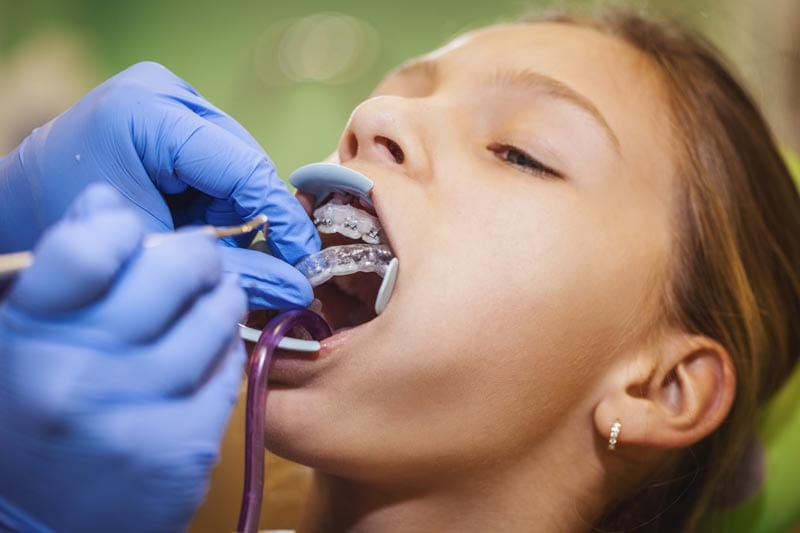
4 weeks after placing your braces, we'll schedule you in for your first adjustment session (You'll come back once a month for regular adjustments and checkups).
During an adjustment, the dentist will change the archwire as planned in the treatment plan to continue to move the teeth to progress towards the desired final result.
During treatment, patients need to come for their regularly for their dental appointments as the braces make it difficult for patients to thoroughly clean their teeth on their own, but dentists are trained in cleaning around the braces and will help ensure adequate oral health during treatment.
6. Finishing Up & Retainer Wear
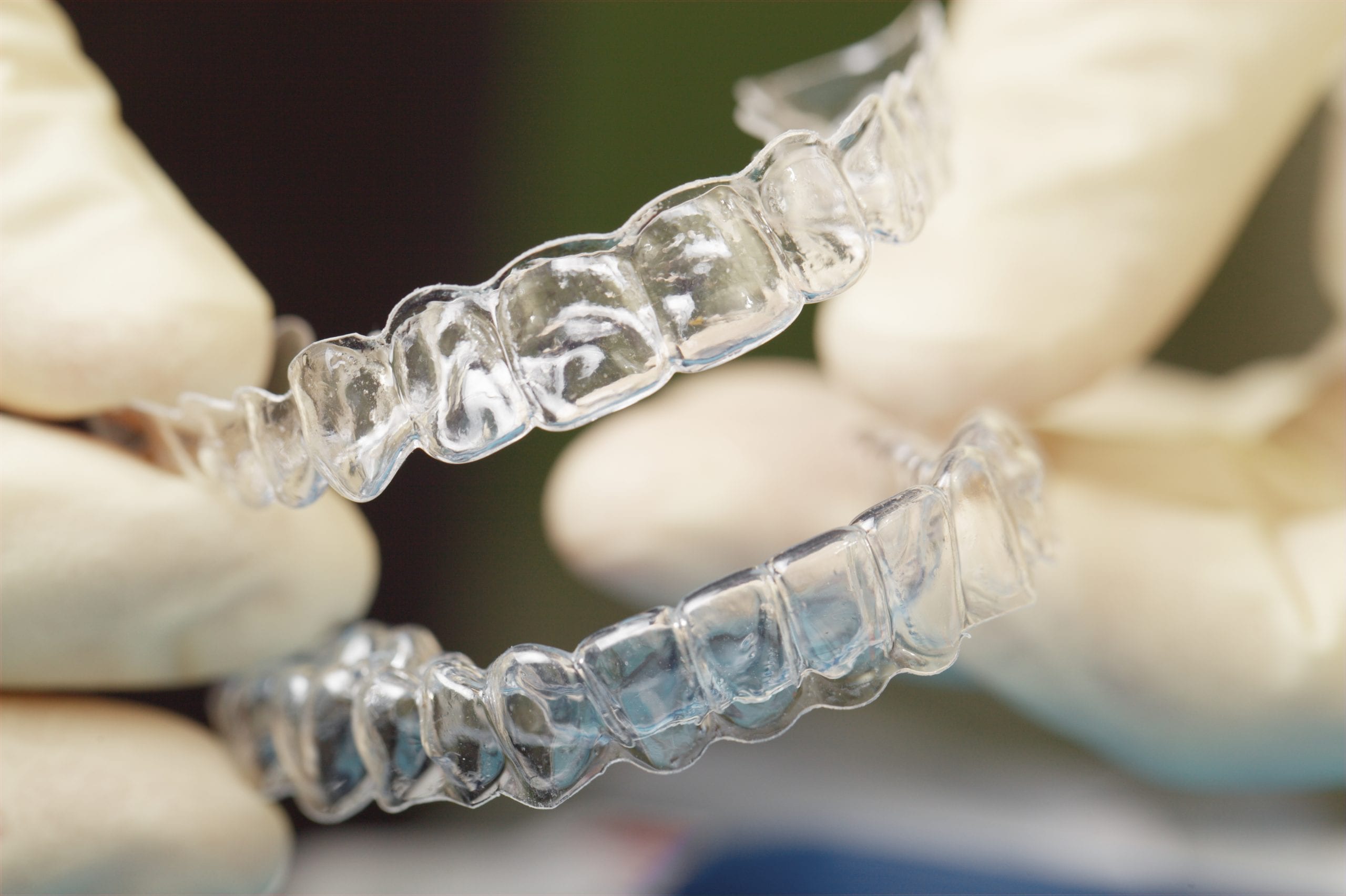
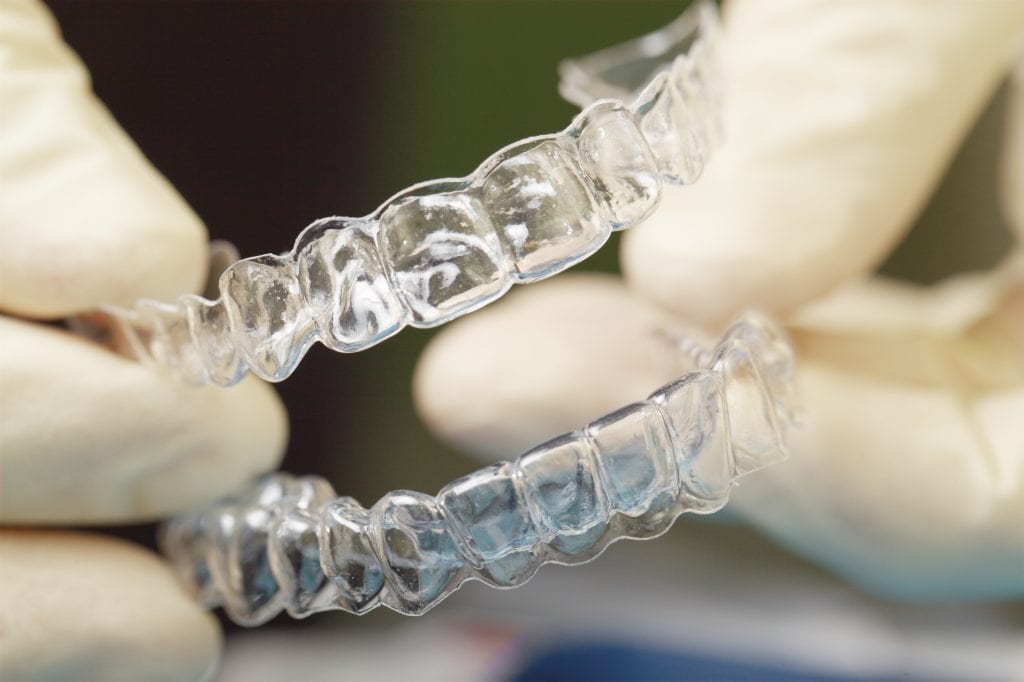
After completing your treatment, the dentist will take a final mould of your teeth to create an orthodontic retainer for you to help keep your shifted teeth in place.
Patient compliance with retainer wear is essential for long-term success as the lack of wearing retainers will result in a relapse, where teeth will start to revert to their previous position.
1. First Appointment
During your initial appointment, our dentist will conduct a thorough examination of your teeth and x-rays in order to determine if you are suitable for orthodontic treatment.
During this visit, your dentist will recommend the braces treatment that will best suit your needs and requirements.
The dentist will also take an impression of your teeth to start the treatment planning process.

2. Treatment Planning
Treatment planning will be done after your initial consultation. This process usually takes about a week.
This treatment plan will be created specifically to address your needs and requirements as each mouth is unique and treatment must be customised to the patient to achieve the desired results.
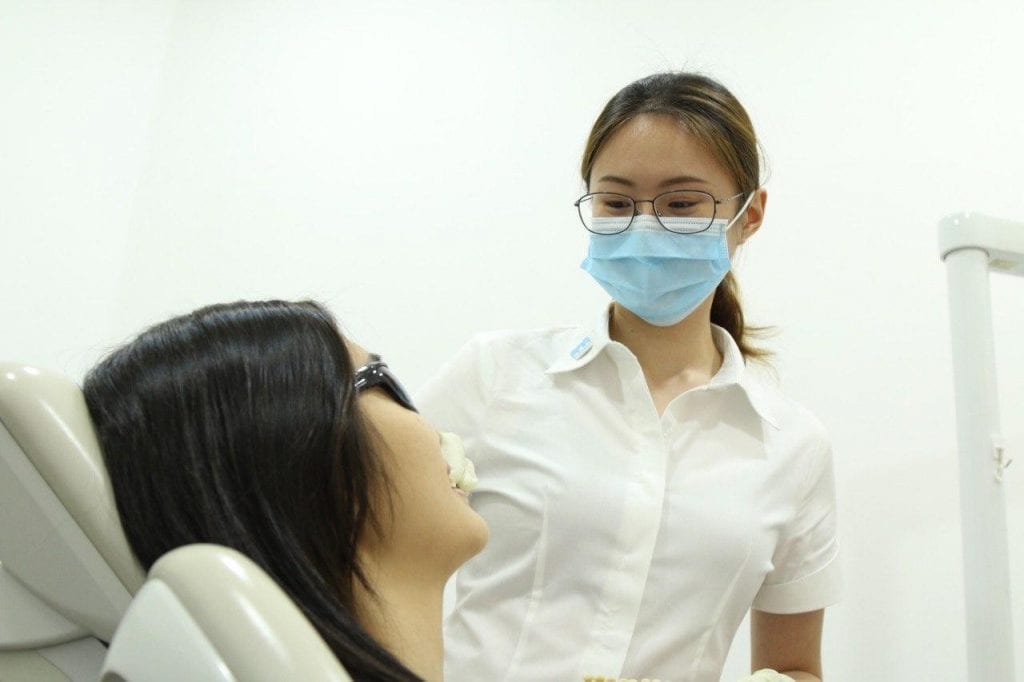
3. Placing the Braces
After the treatment plan is complete, we'll schedule you for another appointment. This appointment begins with thorough scaling and polishing and cleaning of your teeth.
After the cleaning, the teeth are prepared for bonding, and then brackets are cemented to the teeth based on positions predetermined in the treatment plan by the dentist.
Once brackets have been securely cemented in place, the archwire is placed into the brackets and held in place by the bracket doors.

4. Oral Care with Braces
Good oral hygiene and maintaining a healthy set of gums and teeth is essential for the success of any orthodontic treatment.
As such, the dentist will go over the basics of bracket care and oral care with braces, how to brush and floss your teeth, and the correct kind of toothpaste to use.
We'll provide you with some spindle brushes to help remove food particles when they get caught between the braces and your teeth.
5. Adjustments & Checkups
4 weeks after placing your braces, we'll schedule you in for your first adjustment session (You'll come back once a month for regular adjustments and checkups).
During an adjustment, the dentist will change the archwire as planned in the treatment plan to continue to move the teeth to progress towards the desired final result.
During treatment, patients need to come for their regularly for their dental appointments as the braces make it difficult for patients to thoroughly clean their teeth on their own, but dentists are trained in cleaning around the braces and will help ensure adequate oral health during treatment.
6. Finishing Treatment
After completing your treatment, the dentist will take a final mould of your teeth to create an orthodontic retainer for you to help keep your shifted teeth in place.
Patient compliance with retainer wear is essential for long-term success as the lack of wearing retainers will result in a relapse, where teeth will start to revert to their previous position.
Cost of Braces in Singapore
At NoFrills Dental, we aim to provide patients with high-quality dental services while maintaining affordable prices for the masses in Singapore.
We've priced our braces to cater to the different needs and budgets of all of our patients.
- Metal Braces: $3,500 - $6,500+
- Ceramic Braces: $5,000 -$6,500+
- Self Ligating Braces: $5,800 - $7,300+
- Lingual Braces: $5,000 - $13,000+
- Invisalign: $1,888 - $6,500+
The cost of any orthodontic treatment is highly dependent on the current conditions of your teeth, the complexity of the case, and the type of braces used for treatment.
You can check out our comprehensive guide to braces in Singapore for a detailed breakdown of the costs involved with treatment.
At NoFrills Dental, we have a variety of instalment & payment options available for patients. Speak to us to learn more about our payment plans.
Average Price of Braces:
$3,500 - $6,500
| First Payment (Initial consultation, x-rays, dental impressions & record taking) An initial payment will be made which encompasses the initial consultation, x-rays & impression taking. |
$250 |
|
Second Payment During this visit, another payment will be made at the start of your orthodontic treatment. |
$500+ |
|
Balance Paid on Subsequent Visits All subsequent payments will be broken down into instalments, paid during each visit to the dentist. |
$150 - $350 / month |
*All prices indicated excludes 7% GST
**Prices quoted do not include other dental treatments such as extractions, retainers, fillings, and cleaning
*** Flexible payment plans are available
FAQs About Braces
Here are some of the commonly asked questions that our dentists get from patients.
Schedule an appointment
We'll get back to you within 24 hours.
Our Dental Clinics
We are conveniently located at these locations:
NoFrills Dental @ Suntec City
3 Temasek Boulevard
Suntec City (North Wing)
#03-317
Singapore 038983
NoFrills Dental @ Marina Square
6 Raffles Boulevard,
Marina Square,
#B1-11
Singapore 039594
Other Dental Services
Here are some other services related to Braces Treatment that you might be interested in

Related Blog Posts
Here are some other articles related to Braces Treatment that you might be interested in
Conventional Braces
Traditional braces remain a popular choice for straightening teeth, despite the rise of plastic aligners like Invisalign. Braces are more affordable and more effective, particularly in complex orthodontic cases.
What Is An Overbite?
Overbite – or retrognathism – occurs when the upper teeth overlap the lower teeth too much. Overlap of a couple of millimetres is regarded as normal but when it’s more than four millimetres it may require professional medical attention to avoid complications.

Do Braces Hurt?
Braces may at times cause discomfort of varying levels over the course of treatment but overall it’s usually not too bad. And there are steps you can take to ease any soreness.
Most people get used to their braces in about a month. After six months, you may not even notice them, although you might experience some tenderness from time to time.
Here, you’ll find out when and why braces could hurt a little, and how you can deal with it.