
Home/ Tooth Extraction
Tooth Extraction in Singapore
A straightforward tooth extraction at NoFrills Dental is $150 to $350 per tooth before GST, and most fit inside a 30 minute appointment. A CHAS Blue card takes up to $68.50 off a back tooth and up to $28.50 off a front tooth. We would rather save a tooth than remove it, so the first question at your appointment is always whether a filling, a crown or root canal treatment can keep it instead.
Medically reviewed by the NoFrills Dental Medical Team. Last updated 4 August 2026.
Or WhatsApp us on +65 9007 1085 if you are in pain today.
Per tooth, before GST. Front teeth sit at the lower end.
Back tooth. Front tooth up to $28.50. Four extractions a calendar year.
Numbing, removal, and time for the aftercare that matters.
Tooth pain right now: what helps before your appointment
If you are reading this at two in the morning with a throbbing tooth, this part is for you. None of it treats the cause, and none of it is a substitute for being seen, but it makes the wait bearable.
- Take the pain relief you would normally take, at the dose on the label, and take it before the pain peaks rather than after. Anti inflammatory pain relief tends to work better on dental pain than paracetamol alone, unless you have been told not to take it.
- Cold on the cheek, not heat. Ten minutes on and ten minutes off. Heat on a swollen face can make a spreading infection worse.
- Sleep propped up. Lying flat increases the pressure in the tooth, which is why dental pain so often gets worse at night.
- Rinse gently with warm salty water and keep the area clean. Food packed into a broken tooth makes everything worse.
- Avoid the triggers. Very hot, very cold, sweet and hard foods on that side, and chew on the other side entirely.
Do not put aspirin or any painkiller directly against the gum. It does not work that way and it burns the tissue. Do not try to lance a swelling yourself, and do not stop taking prescribed medication because the pain has eased.
When it is not a wait until morning problem
Facial swelling that is spreading is the one that matters. Dental infections can travel, and the safe assumption at that point is hospital rather than a dental appointment.
Worth saying plainly: pain does not mean the tooth has to come out. Severe pain is often root canal territory, where the tooth is saved rather than removed, and sometimes it is a deep cavity that a filling will settle. We work that out from an x-ray, not from how much it hurts. Call or WhatsApp us on +65 9007 1085 and say it is painful; we keep room for that.
When does a tooth actually need to come out?
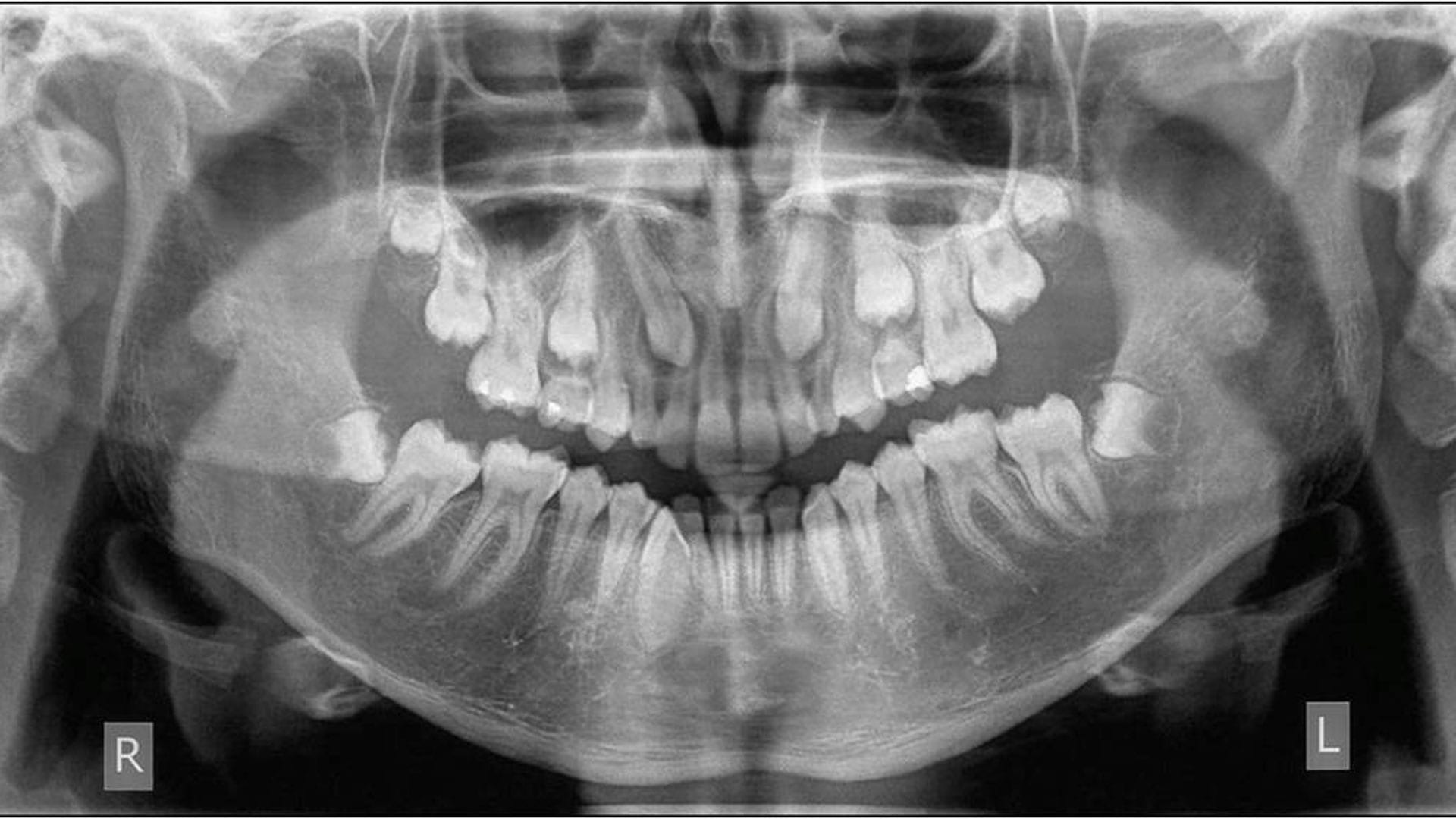
Removal is the last option, not the first. A tooth is worth keeping wherever it can carry a restoration and sit in a healthy socket. Extraction becomes the sensible answer when one of these is true.
- Decay has gone too far to restore. If there is not enough sound tooth left to hold a filling or a crown, rebuilding it only delays the same conversation. Our page on cavities explains where that line sits.
- The tooth is split or fractured below the gum. A crack that runs into the root cannot be sealed.
- Advanced gum disease has taken the bone away. When the support is gone the tooth loosens and drifts. See gum disease treatment for what can be saved before that point.
- Infection that keeps coming back after root canal treatment, where retreatment is not going to hold.
- Crowding. Occasionally a tooth is removed to make room in orthodontic treatment or before Invisalign, planned in advance rather than decided on the day.
- Wisdom teeth. These are their own subject, with their own fees and their own MediSave rules. See wisdom tooth extraction and surgery.
Simple or surgical: which will you need?
The difference is not how big the tooth is, it is whether the tooth can be lifted out whole or has to be reached for.
| Simple extraction | Surgical extraction |
|---|---|
| The tooth is visible and can be loosened and lifted out | The tooth is broken at the gumline, buried, or has roots that will not release |
| Local anaesthetic, no incision | The gum is opened, and a small amount of bone may be removed |
| The tooth comes out in one piece | The tooth is often divided and taken out in sections |
| Usually inside a 30 minute appointment | Longer, and stitches are often placed |
| $150 to $350 per tooth before GST | Quoted after the x-ray, since it depends on the case |
| Not claimable from MediSave | May be claimable from MediSave as a surgical procedure |
Which one you need is decided from the x-ray and the examination, not from how the tooth looks in the mirror. You are told which it is, and what it costs, before anything starts.
Molar and back tooth extractions
Back teeth are the ones people most often ask about, and they behave differently from front teeth. A molar has two or three roots that can splay or curve, so it takes longer to release and it is more likely to need a surgical approach. That is why a molar sits at the upper end of the fee range and a front tooth at the lower end, and it is also why the CHAS subsidy for a back tooth is more than double the front tooth rate.
Molars also matter most afterwards. They carry the chewing load, so a gap in that part of the arch changes how you eat and lets the neighbouring teeth tip. Replacement is worth planning before the socket has healed, which we cover further down.
How much does a tooth extraction cost in Singapore?
At NoFrills Dental a straightforward extraction is $150 to $350 per tooth before GST. Where you land depends on the tooth: single rooted front teeth are quicker, multi rooted molars take longer.
| What a visit looks like | Fee |
|---|---|
| Consultation and examination | $50 |
| X-ray of the tooth | $50 |
| Simple extraction | $150 to $350 |
| Typical total, before GST | From $250 |
NoFrills Dental fees, before GST, which has been 9 per cent since 1 January 2024 per the Inland Revenue Authority of Singapore. Surgical extractions are quoted after the x-ray. Wisdom teeth are priced separately on the wisdom tooth page.
What CHAS takes off
Extraction is one of the basic procedures CHAS subsidises, and the subsidy is deducted at the counter rather than claimed back. The rates below are the maximum per claim, set by the Ministry of Health and current from 1 September 2025.
Maximum CHAS subsidy per extraction, by card
Maximum subsidy per claim, up to four extractions per calendar year. Source: Ministry of Health, rates current from 1 September 2025. Every card and procedure is listed in our 2026 CHAS subsidy guide, with Merdeka and Pioneer Generation rates set out separately.
MediSave does not cover a simple extraction, because it applies to surgical procedures. That is the reason surgical removal of a wisdom tooth can be claimed while a routine extraction cannot. Many corporate and personal insurance plans do cover extractions, so bring your policy details.

Does a tooth extraction hurt?
The extraction itself should not hurt. Local anaesthetic numbs the tooth, the socket and the surrounding bone, and what reaches you afterwards is pressure and movement rather than pain. Pressure is unmistakable and slightly strange, but it is not the same signal as pain, and knowing that in advance makes the appointment considerably easier.
Two honest caveats. The injection itself is a brief sting. And a tooth that is already badly infected can be harder to numb, which is why an abscess is sometimes settled with antibiotics before the tooth comes out rather than on the same day. Tell the dentist immediately if anything feels sharp: more anaesthetic takes seconds.
Nervous, or had a bad experience before? Say so when you book and we will plan around it.
How long does it take, and how long does it heal?
Most simple extractions fit inside a 30 minute appointment, and the tooth is often out within a few minutes of the area going numb. Most of the appointment is numbing, checking that you are numb, and the aftercare conversation at the end.
What healing usually looks like
A typical pattern after a simple extraction. Individual healing varies, and surgical cases take longer at every stage.
What happens on the day
- The tooth and the x-ray are reviewed with you, and the alternatives to removal are confirmed or ruled out.
- Local anaesthetic is given, and you wait a few minutes until the area is properly numb. This is checked before anything else happens.
- The tooth is loosened in the socket and lifted out. For a surgical case the gum is opened first and the tooth may be divided.
- The socket is cleaned, and stitches are placed if they are needed.
- You bite on gauze for around 20 minutes, and you leave with written aftercare and a number to call if anything worries you.
Aftercare that actually matters
The first day decides most of your recovery, and it comes down to protecting the blood clot that forms in the socket.
- Do not rinse, spit, smoke or use a straw for 24 hours. All four dislodge the clot. Smoking is one of the strongest risk factors for a painful socket, and the first 72 hours matter most.
- Bite firmly on the gauze for about 20 minutes. If oozing continues, replace it with a clean damp pad and bite again.
- Cold packs on the cheek in the first day, 10 minutes on and 10 minutes off, help with swelling.
- Eat soft and cool, on the other side. Nothing hot, hard or crunchy on day one.
- From day two, rinse gently with warm salty water a few times a day, especially after meals.
- Keep brushing the rest of your mouth as normal, avoiding the socket itself for the first couple of days. Our oral hygiene guide covers the rest of the routine.
- Take pain relief before the anaesthetic wears off rather than waiting for the discomfort to build, following the advice you are given at the appointment.
Call the clinic if pain gets worse after day three rather than better, if you develop a fever or a foul taste, if bleeding will not settle, or if you cannot open your mouth properly. Those are the signs of dry socket or infection, and both are treated quickly. Persistent bad breath with a bad taste in the days after an extraction is worth a call rather than a wait.
What to do about the gap
A missing tooth is not only a cosmetic question. The opposing tooth drifts down into the space, the neighbours tip in, and the bone that used to hold the root shrinks over the following months and years, which narrows the options later. Front teeth affect speech and appearance straight away; back teeth quietly change how you chew.
| Option and fee | What it involves |
|---|---|
| Dental implant $1,950 to $6,000 |
A titanium root placed into the bone with a crown on top. Stands alone, and preserves the bone in that spot. Implant surgery is claimable from MediSave up to $1,950 per implant. |
| Bridge From $950 per unit |
The neighbouring teeth carry a replacement across the gap. Faster, but it relies on preparing those teeth. A three unit bridge starts from $2,850. |
| Denture From $350 |
Removable, and the most affordable route, particularly when several teeth are missing. Partial dentures start from $350, full dentures are $800 to $1,300 per arch before CHAS. |
| Leaving the gap | Sometimes reasonable for a back molar with a healthy tooth in front of it, and a decision to make deliberately rather than by default. |
There is no rush to decide on the day the tooth comes out. Sockets need to heal first, and our denture and implant centre handles the planning once they have.
Where to book
Extractions are done at every NoFrills Dental clinic: Suntec City, Marina Square, Marine Parade and Tanjong Katong in Singapore, and Sri Hartamas in Kuala Lumpur. Addresses and hours are on our clinics page, and the dentists are listed on our clinical team page.
If the tooth is painful today, call or WhatsApp us on +65 9007 1085 rather than booking online, and say that it is urgent. If it is not painful, a check-up with an x-ray is the right first step, and a scale and polish at the same visit keeps the rest of the mouth in order.
Frequently asked questions
How much does a tooth extraction cost in Singapore?
A straightforward extraction at NoFrills Dental is $150 to $350 per tooth before GST, with front teeth at the lower end and multi-rooted back teeth at the upper end. A consultation is $50 and an x-ray of the tooth is $50. CHAS cardholders have the subsidy deducted at the counter: up to $68.50 off a back tooth and up to $28.50 off a front tooth on a Blue card.
Does a tooth extraction hurt?
The extraction itself should not hurt. Local anaesthetic numbs the tooth and the surrounding bone, and what you feel afterwards is firm pressure and movement rather than pain. The parts people find unpleasant are the initial injection and the pressure, both of which are brief. Tell the dentist if you feel anything sharp, because more anaesthetic can be given.
How long does a tooth extraction take?
Most simple extractions fit inside a 30 minute appointment, and the tooth itself is often out within a few minutes of the area going numb. Surgical extractions take longer because the gum is opened and the tooth is usually divided before it is removed.
How long does the socket take to heal?
The gum closes over in one to two weeks. The bone underneath fills in over the following two to three months, quietly and without symptoms. Most people are back to normal eating within a few days, on the other side at first.
What is dry socket, and how do I avoid it?
Dry socket happens when the blood clot in the socket is lost and the bone underneath is exposed, giving a deep ache that usually starts around day three and often reaches the ear. Avoid it by not rinsing, spitting, smoking or using a straw for the first 24 hours. If it happens, come in: we clean and dress the socket and the pain settles quickly.
Can I use CHAS or MediSave for a tooth extraction?
CHAS yes. Extraction is one of the subsidised basic procedures, up to four extractions per calendar year. MediSave does not cover a simple extraction; it applies to surgical procedures, which is why surgical removal of a wisdom tooth is claimable while a routine extraction is not.
What can I do about tooth pain tonight?
Take the pain relief you would normally take at the dose on the label, use a cold pack on the cheek rather than heat, sleep propped up, rinse gently with warm salty water and keep off that side when you eat. Never hold a painkiller against the gum, because it burns the tissue. Get seen urgently if the swelling is spreading towards your eye or down your neck, if you cannot swallow or breathe easily, or if you cannot open your mouth properly.
Do I need to replace the tooth after it is removed?
It depends where it was. A back tooth that is not replaced lets the opposing tooth drift down and the neighbours tip in, and the bone in that spot shrinks over the years. A front tooth affects appearance and speech immediately. We talk through implants, a bridge or a denture at the same visit, and there is no rush to decide on the day.
Related reading
Sources: Ministry of Health Singapore, CHAS subsidy rates current from 1 September 2025 and dental services information (moh.gov.sg); Inland Revenue Authority of Singapore, GST rate change (iras.gov.sg).
Not sure whether the tooth can be saved?
Book an assessment at any NoFrills Dental clinic. We x-ray, tell you honestly whether it can be kept, and quote before anything begins.
Schedule an appointment
Leave your details and we will get back to you within one working day. If it is urgent, please call the clinic directly.
We use your details only to reply to this enquiry. Clinics: Suntec City, Marina Square, Marine Parade and Tanjong Katong.